
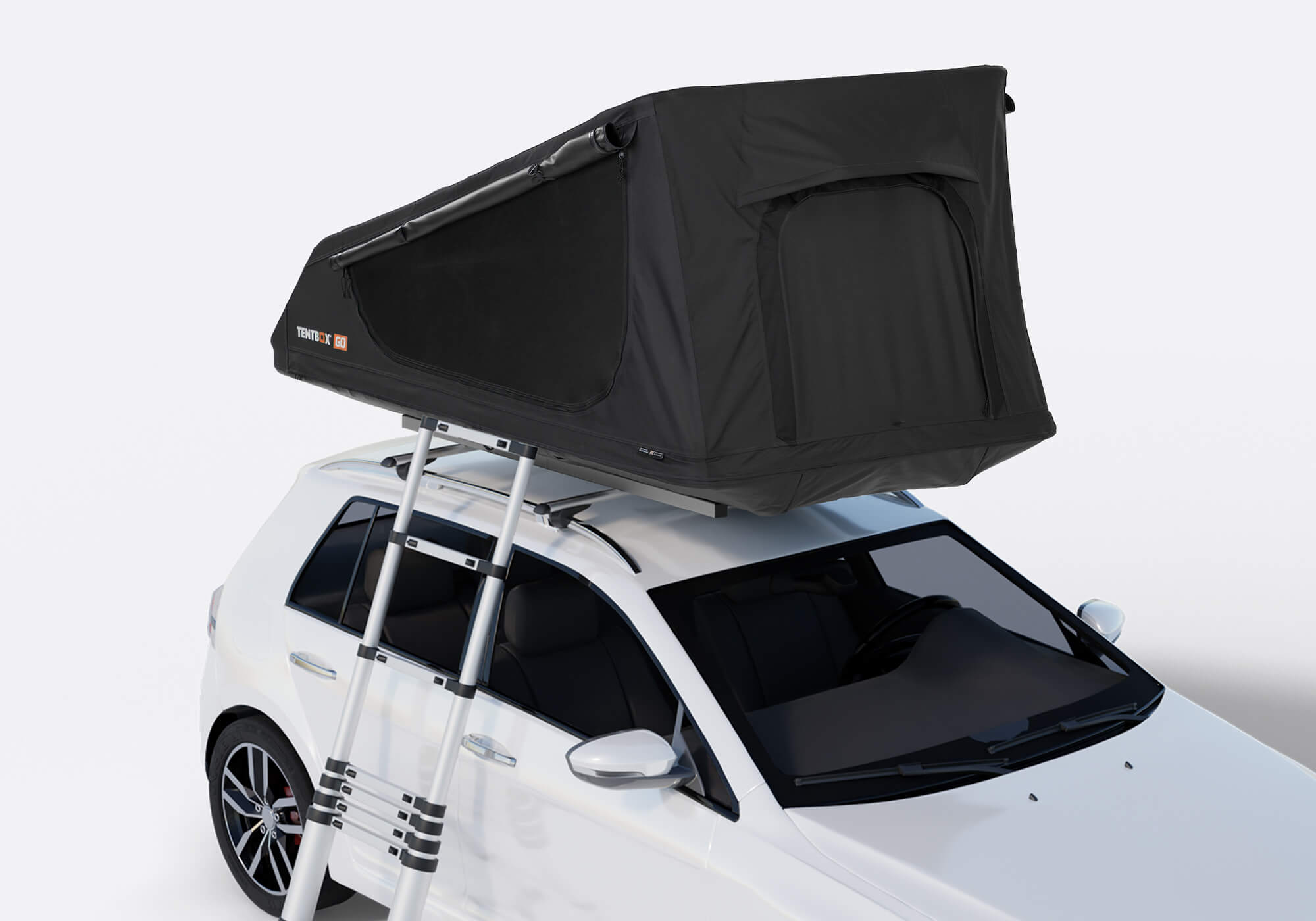
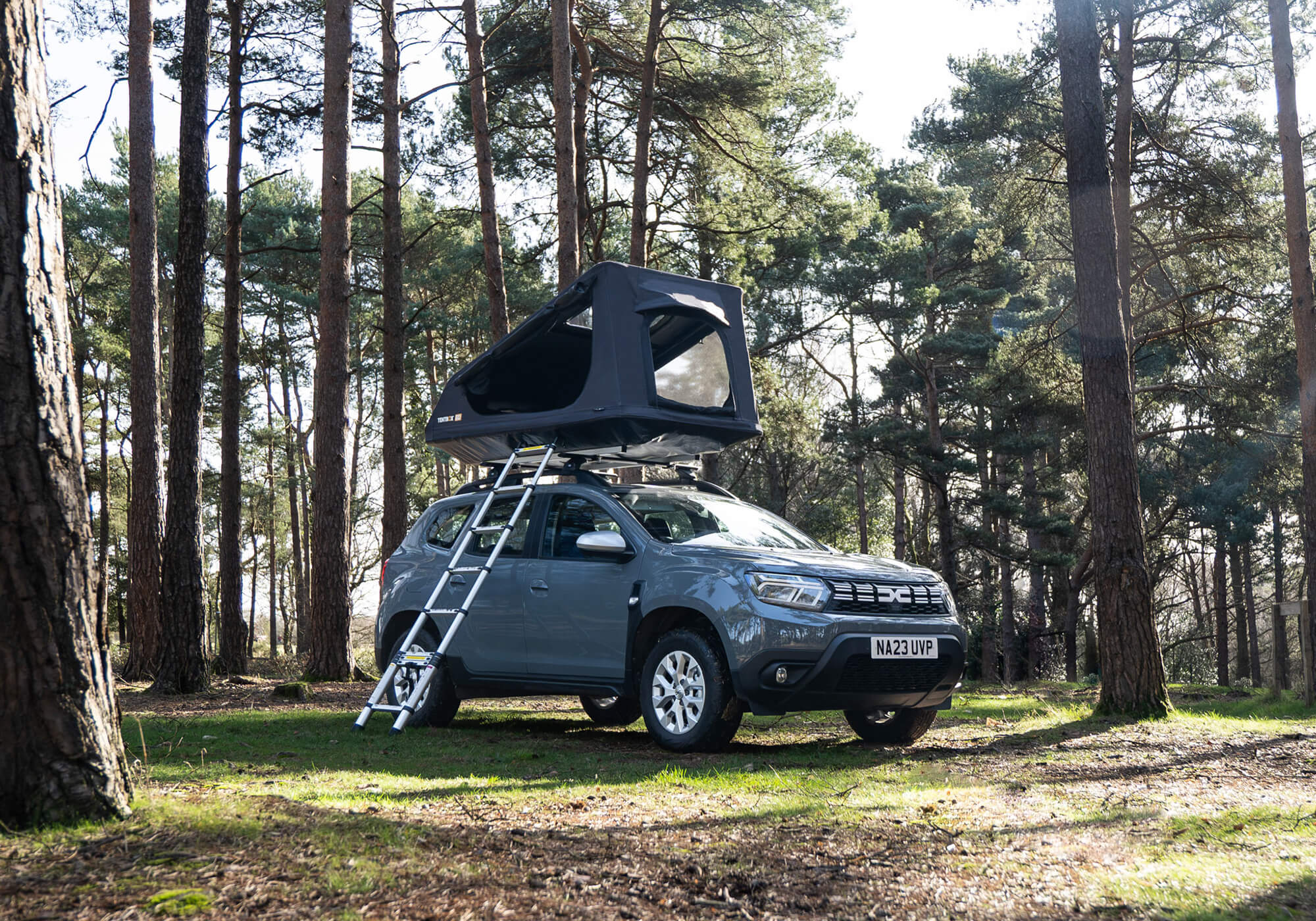
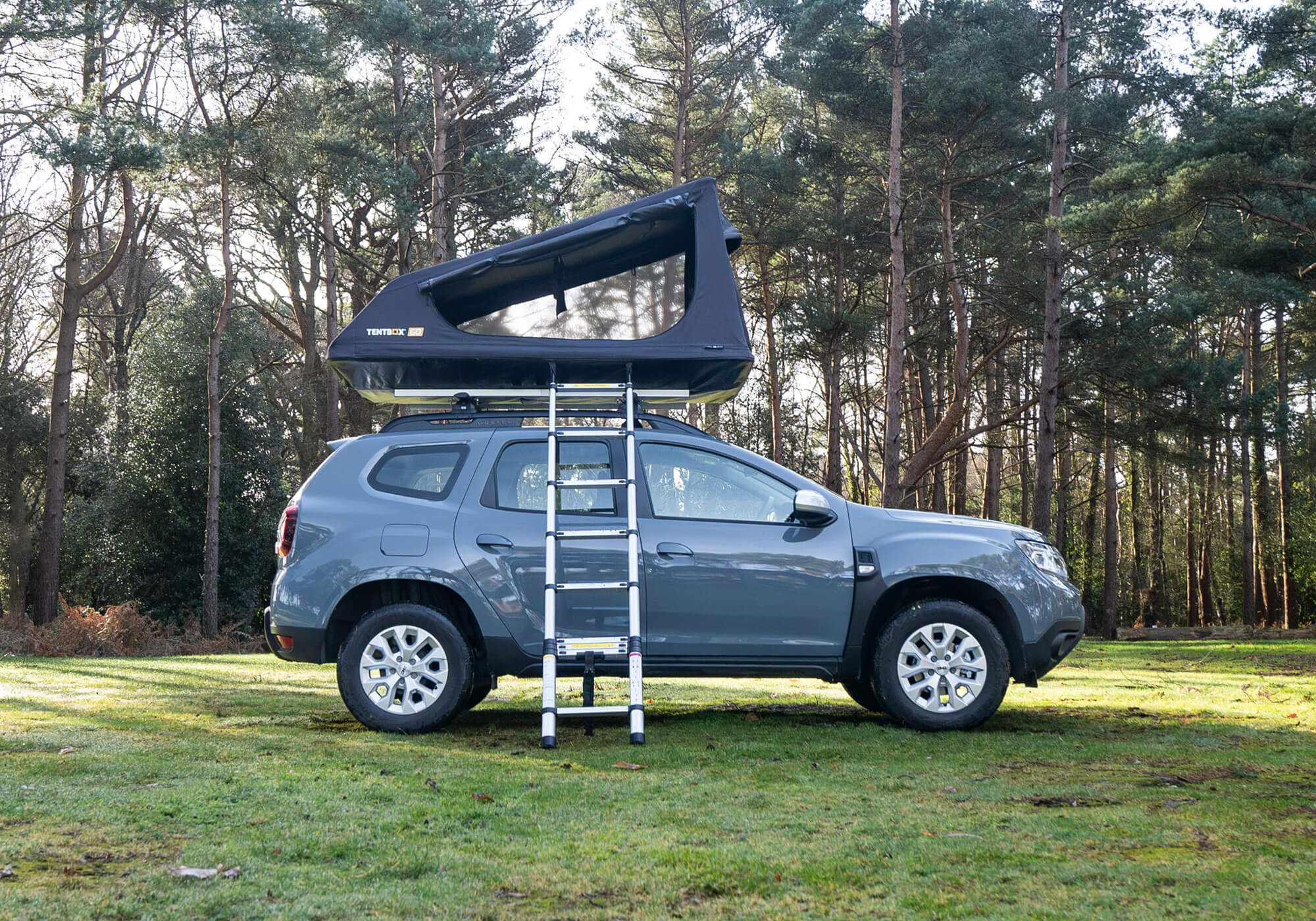
TentBox GO, Midnight
£999.00
Code: TBTGO-MID-93417
In stock
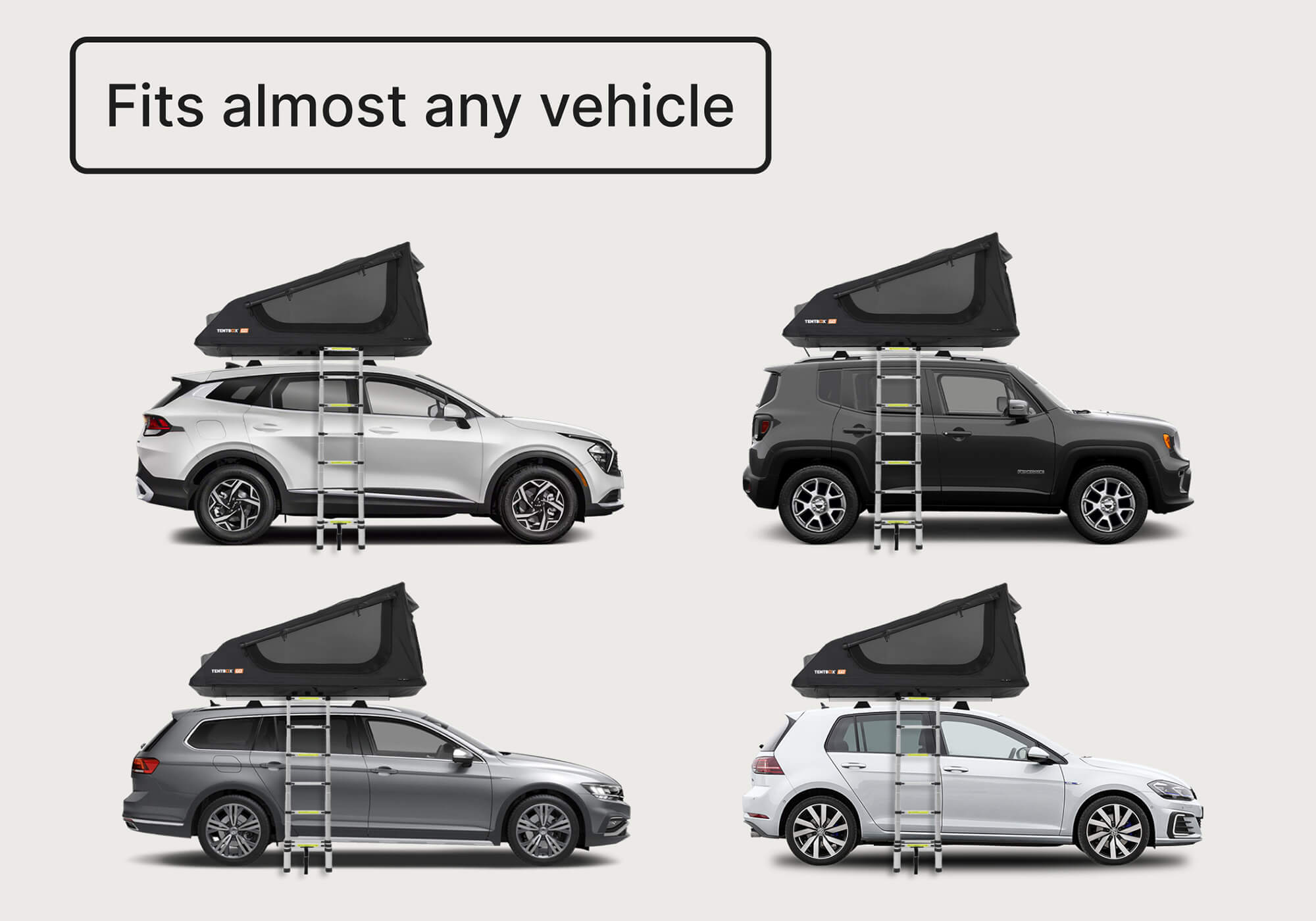
The most affordable and lightweight TentBox, perfect for first-time adventurers. The TentBox GO brings roof tent freedom to any vehicle.
The most affordable and lightweight TentBox, perfect for first-time adventurers. The TentBox GO brings roof tent freedom to any vehicle.
|
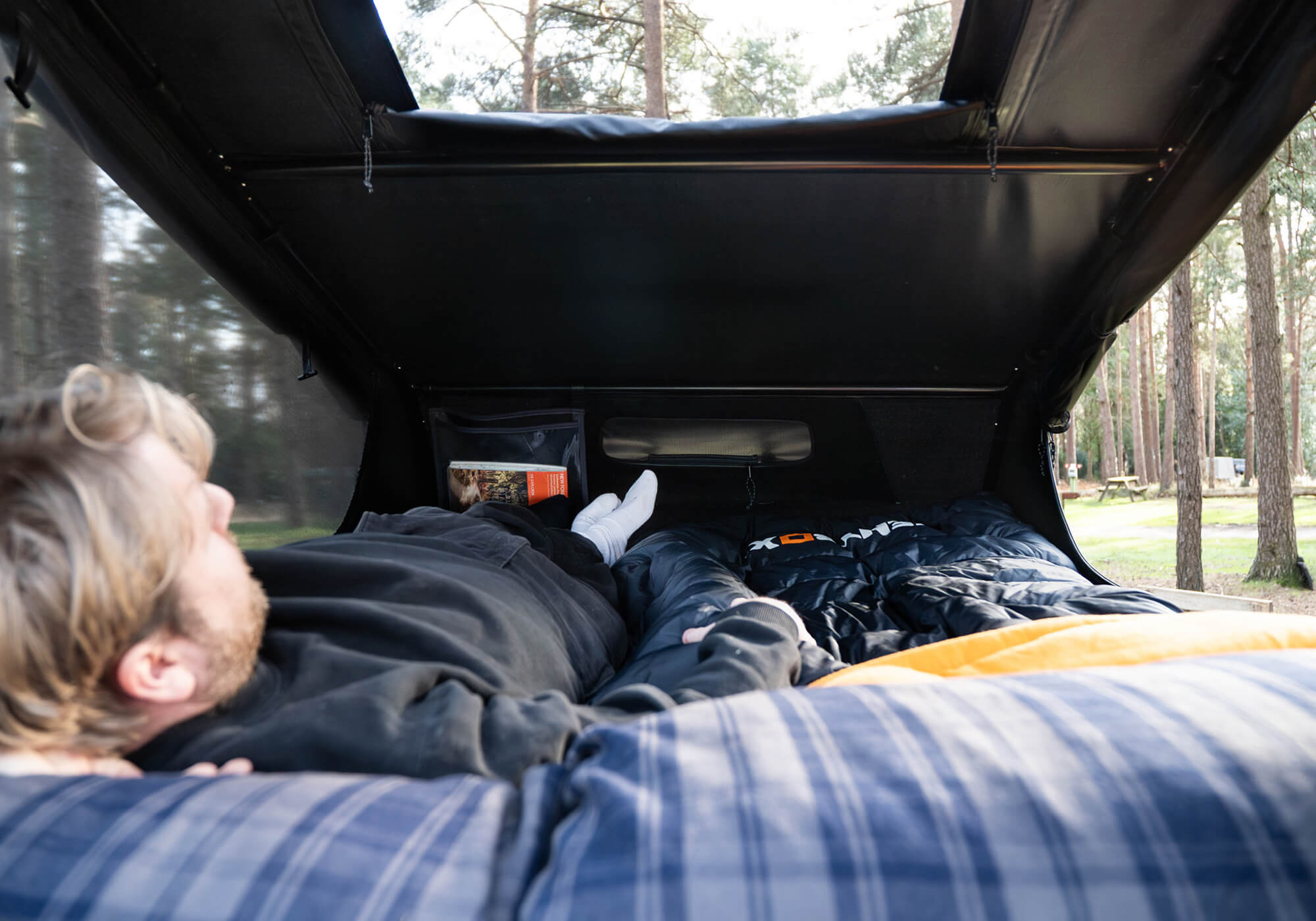
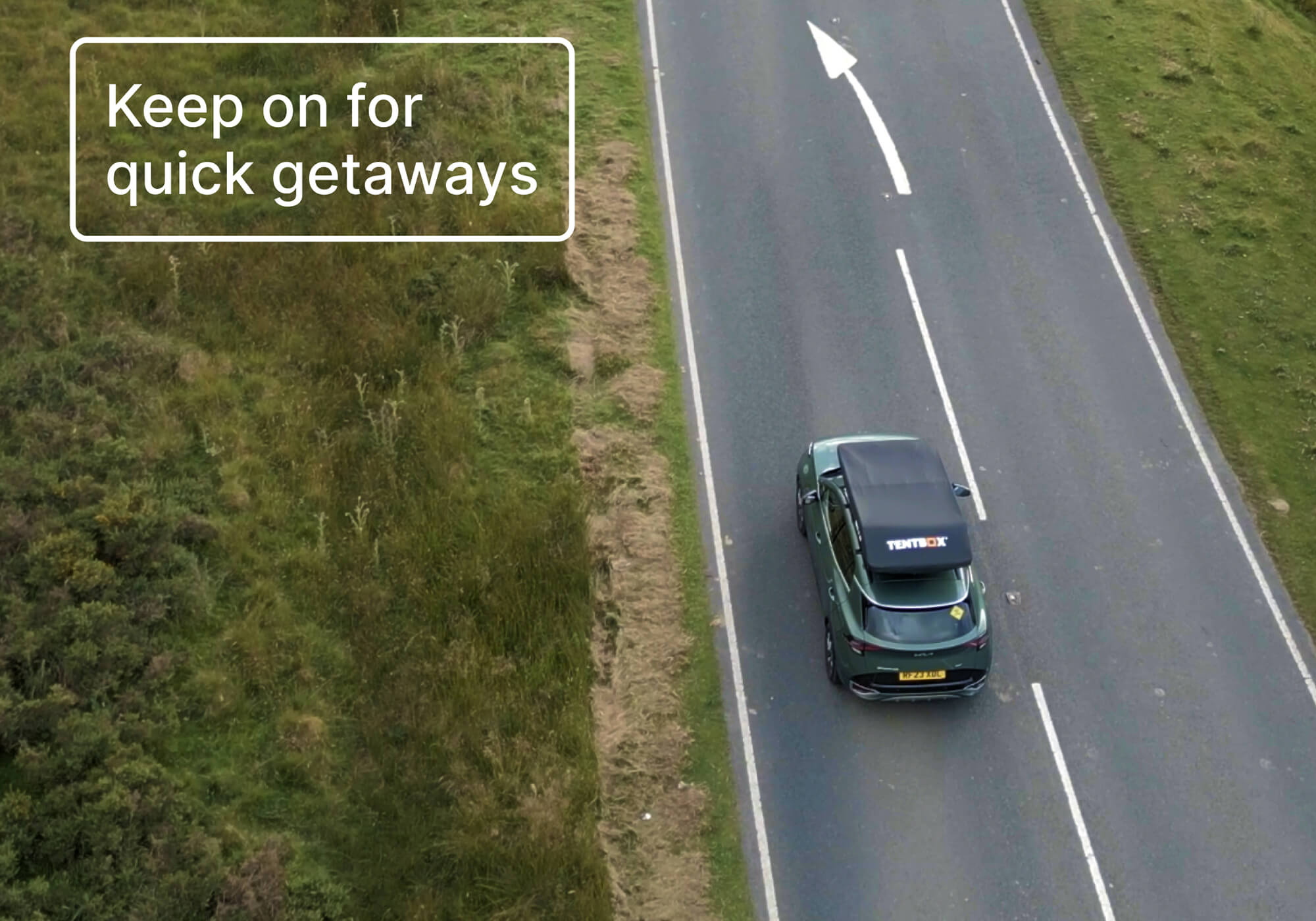
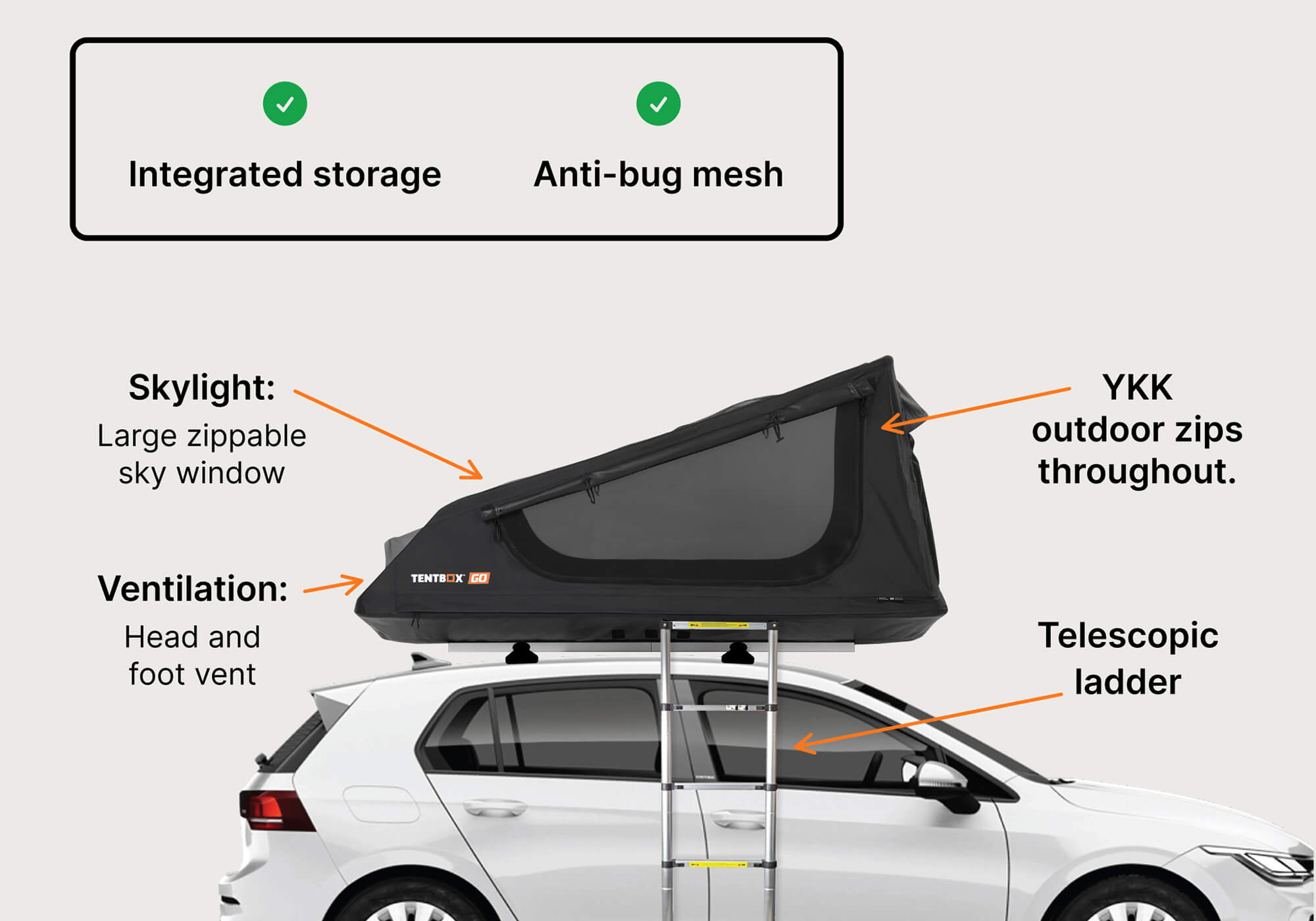
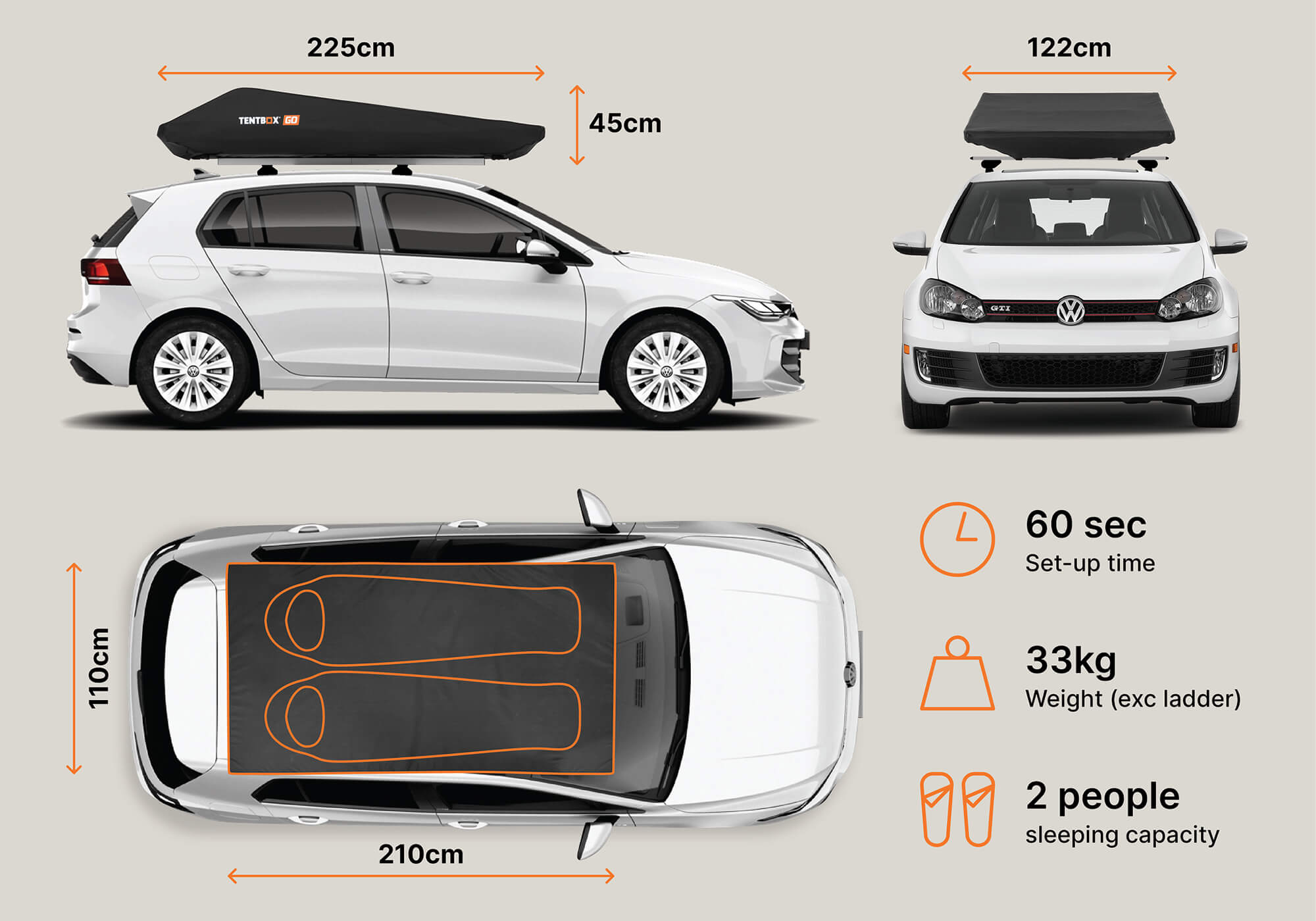
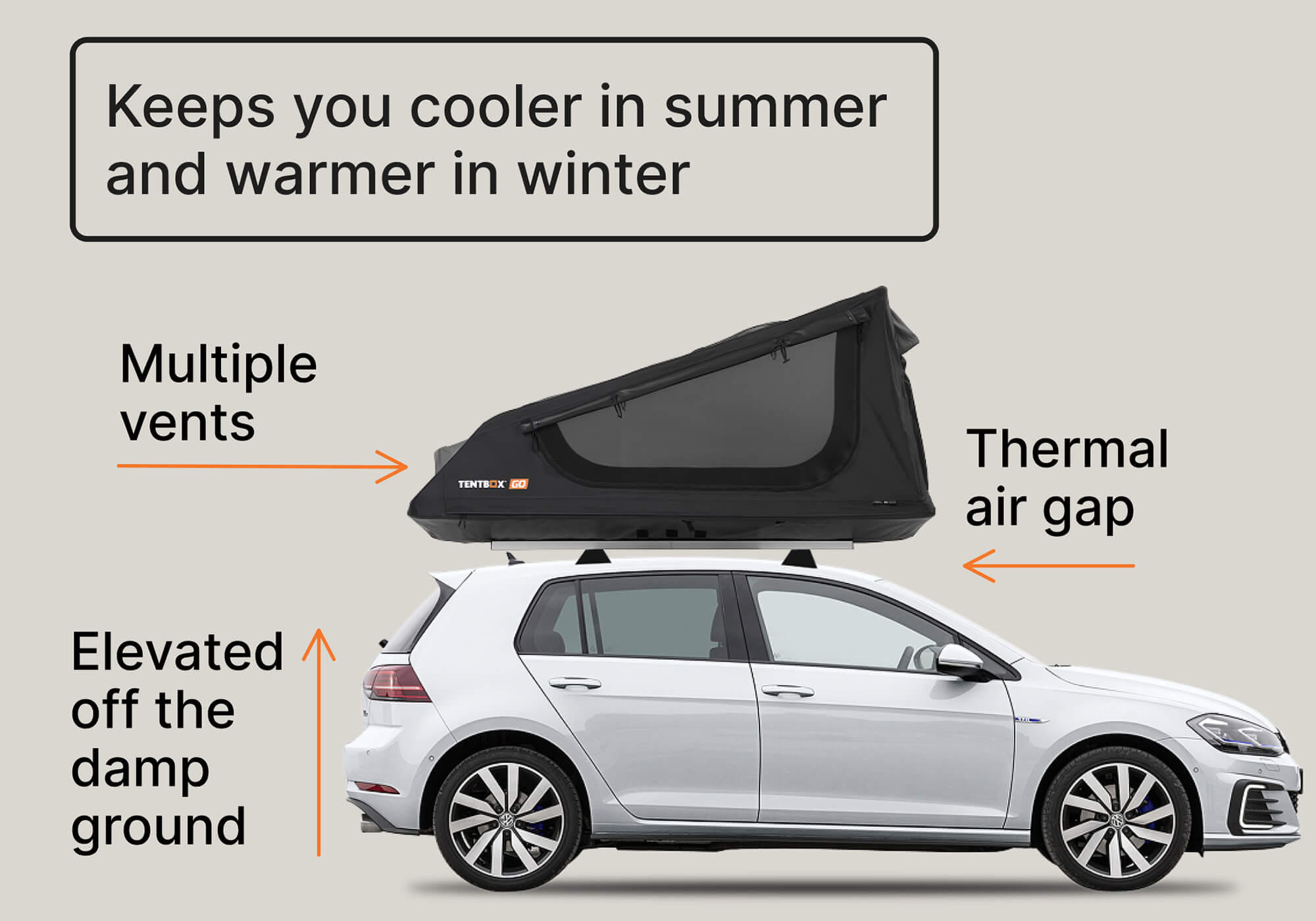
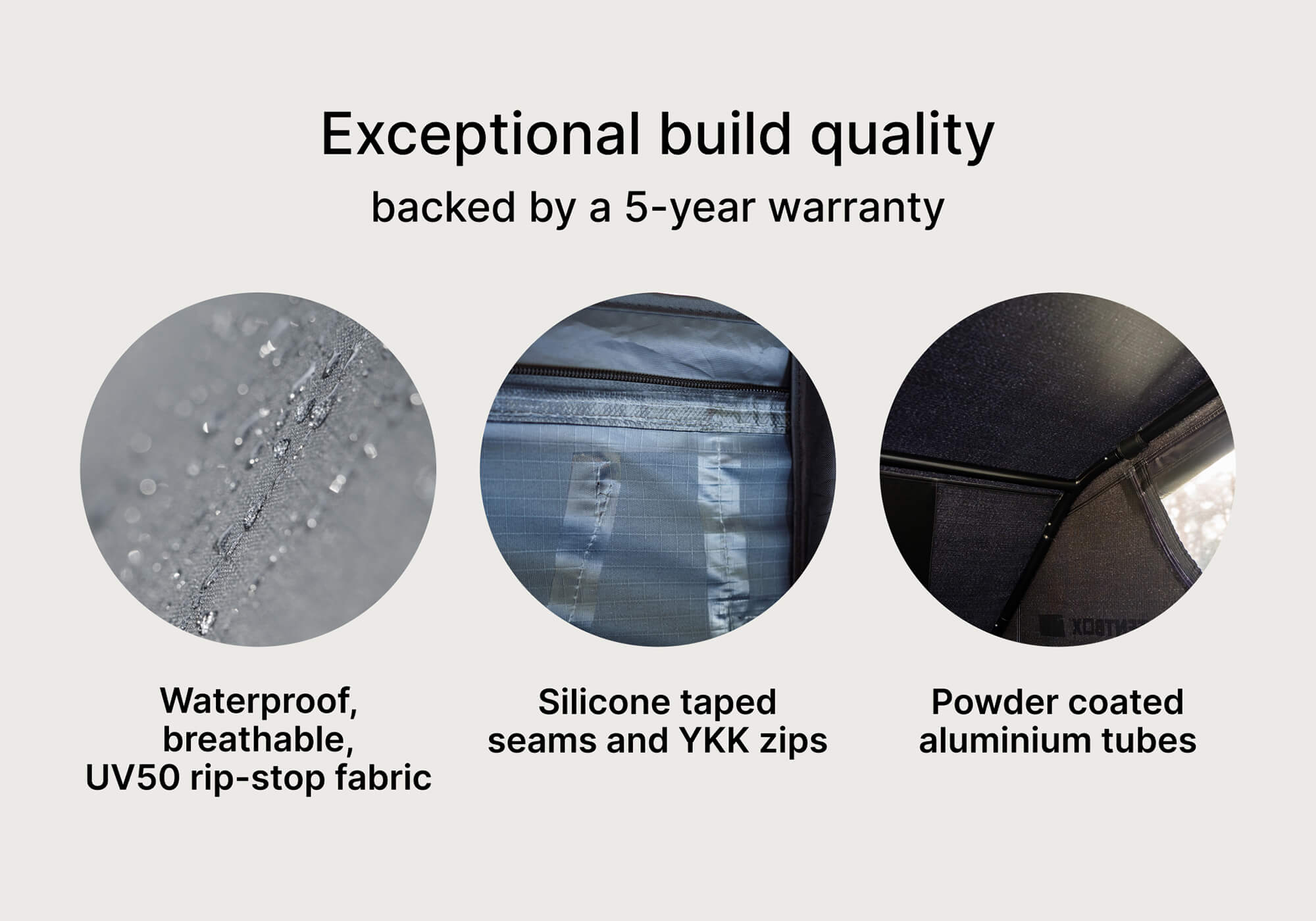
The TentBox GO is designed to make car camping accessible to everyone. Its soft-shell design keeps weight low and compatibility high, meaning it can fit a wider range of vehicles. Setup is quick and simple, unfolding into a comfortable sleeping space with a supportive mattress. Breathable fabric and mesh panels provide ventilation while keeping insects out. Lightweight, compact, and easy to use, the GO is perfect for spontaneous road trips, festivals, and weekend getaways. |
|
Home delivery not available! This item is only available for collection at our Manchester North Store. Payment options:We take the following cards, and also PayPal. Please note that the entry on your card statement will be from "The Roof Box Company". 



Secure paymentsOur website is secured by Sectigo (formerly Comodo CA), the largest commercial Certificate Authority in the world. 

|
|
Only certain vehicles can carry a roof tent; you may find that suppliers of other roof tent brands take a more relaxed view, but Yakima is primarily a major designer and manufacturer of vehicle roof bar and other load carrying systems, so they know the engineering and the risks, and they wouldn’t put barriers in the way of sales unless there are very good reasons for doing so. The vehicle and roof bars need to be strong enough, and the same for the roof bar fixings. Key considerations:
Other checks and notes:
The static load that is permitted on a vehicle roof, when the vehicle is stationary, is not usually mentioned in the vehicle handbook; it may be presumed to be three (3) times the dynamic load. For example, if the vehicle load limit is 75kg, and the roof bars can hold 100kg, the dynamic loading limit is 75kg. 3 x 75kg is 225kg, less 54kg for the tent and 7kg for the roof bars leaves 164kg for the roof tent occupants. If one occupant weighs 90kg, that only leaves 74kg for the others. Common sense should be applied here – 3 people at 90kg is likely to be too heavy a weight; 1 at 90kg and 1 at 85kg is unlikely to be a problem, bearing in mind that a static load of three times the dynamic load is only a rule of thumb. Importantly, it is up to you to decide whether to carry a roof tent, and what weight to put in it. If in doubt, research the subject in more depth, or ask your car dealer for an opinion. Neither we nor Yakima will be liable for damage, to vehicles and / or users and / or third parties, associated with the fitting and loading of Yakima roof tents. |

|
TentBox Go: Assembly and Installation Guide |